How to keep a leather interior looking new for years
Leather cracks from dirt, heat and neglect, not from age alone. The right cleaning rhythm keeps seats soft and bolsters intact.
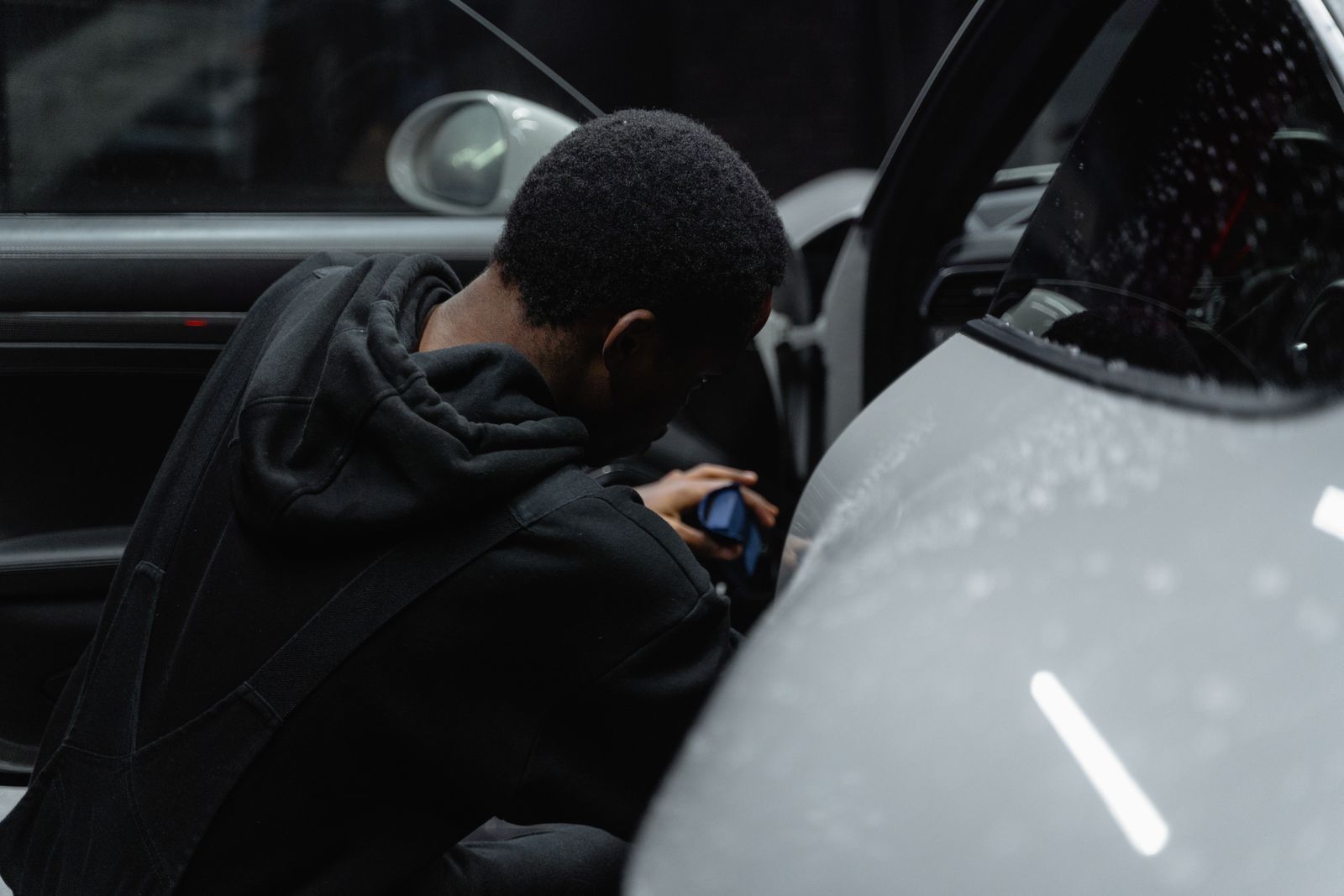
Leather seats are one of the first things people notice when they get into your car, and one of the first things to show wear. Cracked driver bolsters, shiny worn patches and dark stains on light leather make even a well-kept car look tired. Most of that damage is preventable with a simple routine.
Understand what kind of leather you have
Almost every modern car uses coated leather. The hide is finished with a thin pigmented polyurethane layer that gives it color and protects it from spills. When we talk about cleaning and conditioning leather, we are really caring for that coating and the hide underneath it.
A few luxury models use semi-aniline or aniline leather, which has little or no protective coating and feels noticeably softer. These need gentler products and more frequent care. If you are not sure what you have, check your owner's manual or ask us at your next visit.
Why leather cracks
- Abrasive dirt. Grit from clothing grinds into the grain every time you slide in and out, slowly wearing through the coating.
- Body oils and sunscreen. These build up, darken the surface and break down the finish.
- Heat and UV. Tennessee summers dry out the hide beneath the coating, especially on dark seats.
- Friction on bolsters. The side bolster of the driver's seat takes more wear than any other surface in the car.
A routine that works
For most drivers, cleaning every one to two months and conditioning every three months keeps leather healthy. Heavy use, pets, kids or light-colored leather may need more.
- Vacuum first with a soft brush attachment to lift grit from seams and perforations.
- Spray a pH-balanced leather cleaner onto a soft brush or microfiber, not directly onto the seat, especially if it is perforated.
- Work gently in small sections, then wipe away the lifted grime with a clean damp towel.
- Apply a water-based conditioner with UV inhibitors and buff off any excess so seats do not feel greasy.
Products to avoid
All-purpose cleaners, household wipes and anything containing alcohol or ammonia will strip the protective finish over time. Heavy oil-based conditioners can leave a slick film that attracts more dirt and blocks the leather from breathing. Magic erasers are abrasive and will remove color from the coating.
Dealing with common problems
Blue jean dye transfer on light leather can usually be lifted with a dedicated leather cleaner if caught early. Coffee and soda spills should be blotted, not rubbed, then cleaned properly within a day. Small surface scuffs on bolsters can often be improved with a color-matched leather balm, while true cracks need professional repair.
Let the heat work for you, not against you
Conditioner absorbs best when leather is warm, but not hot. On a mild day, let the car sit in the sun for twenty minutes before conditioning. In July, do it in the garage or first thing in the morning. And whenever possible, use a sunshade. Blocking direct sun is the single most effective thing you can do to protect a leather interior.
If you would rather leave it to us, our Interior refresh add-on includes a full leather clean and condition, and Showroom Reset adds steam cleaning of seams and rails. Either way, a little consistency now saves an expensive upholstery repair later.
Want us to handle it?
Every Gleam Garage visit starts with a paint-safe two-bucket hand wash. Walk in or reserve a bay.